


Hi folks, was bored on the train last night and ended up finding some interesting information that should be shared.
There have a been a few reported cases of sudden excessive oil consumption on the FA24, mainly from the US, (but also someone on this forum too, still undiagnosed). It turns out the culprit is likely to be this…
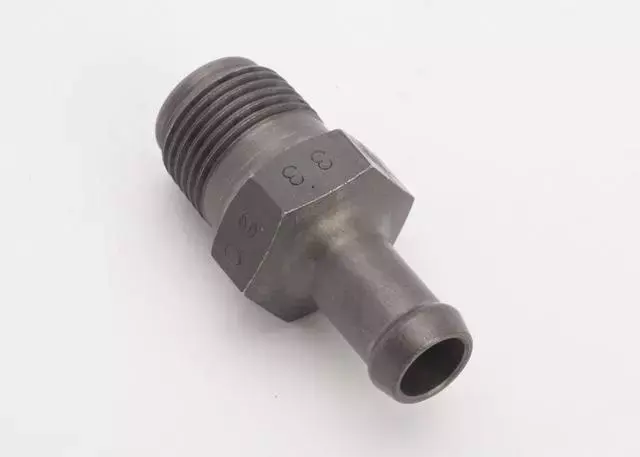
This being the PCV (Positive Crankcase Ventilation) valve. Its purpose is to ventilate excessive crankcase pressure back into the intake system. This valve is located on top of the engine block at the back of the intake manifold and plumbs from the block into the top of the intake tube.
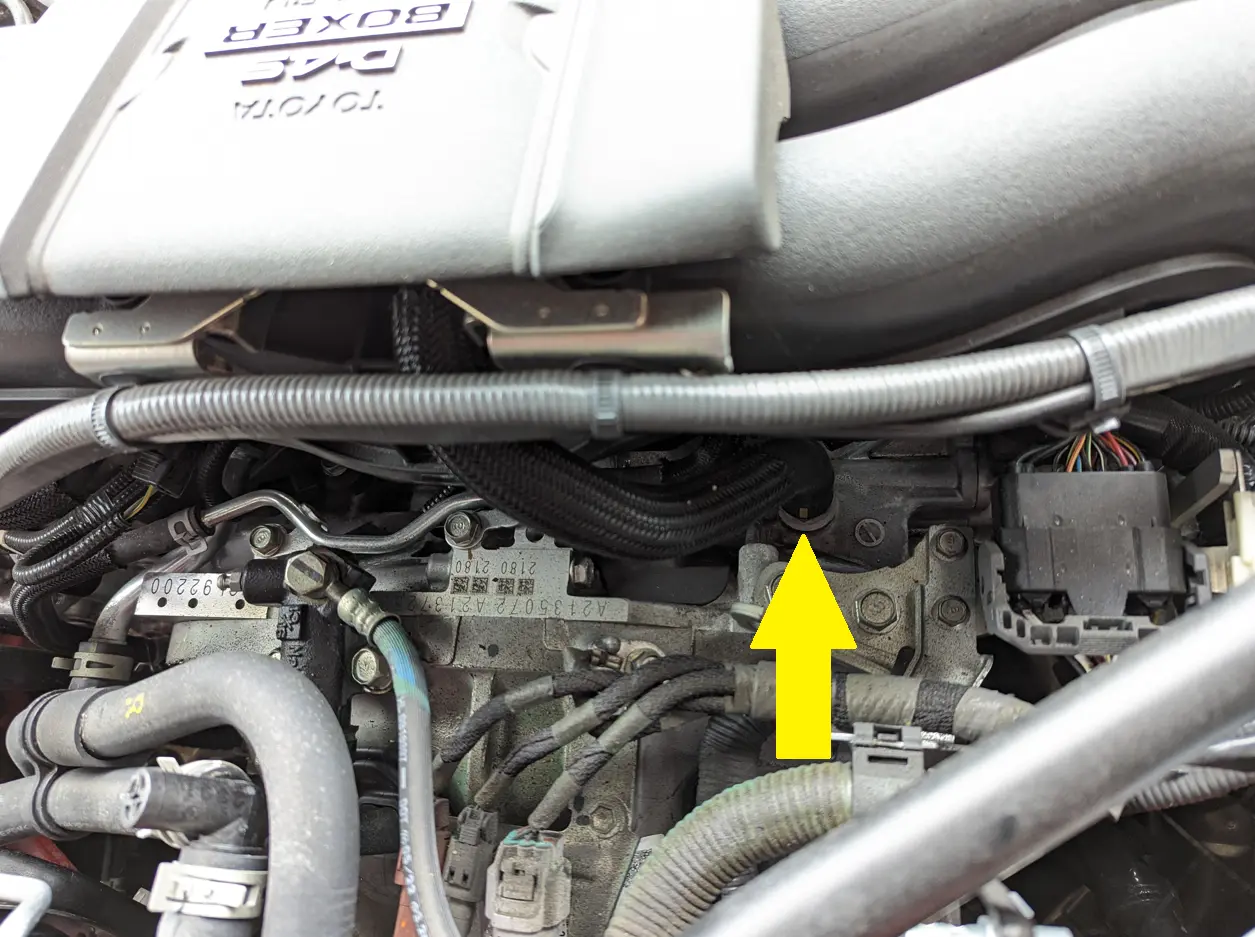
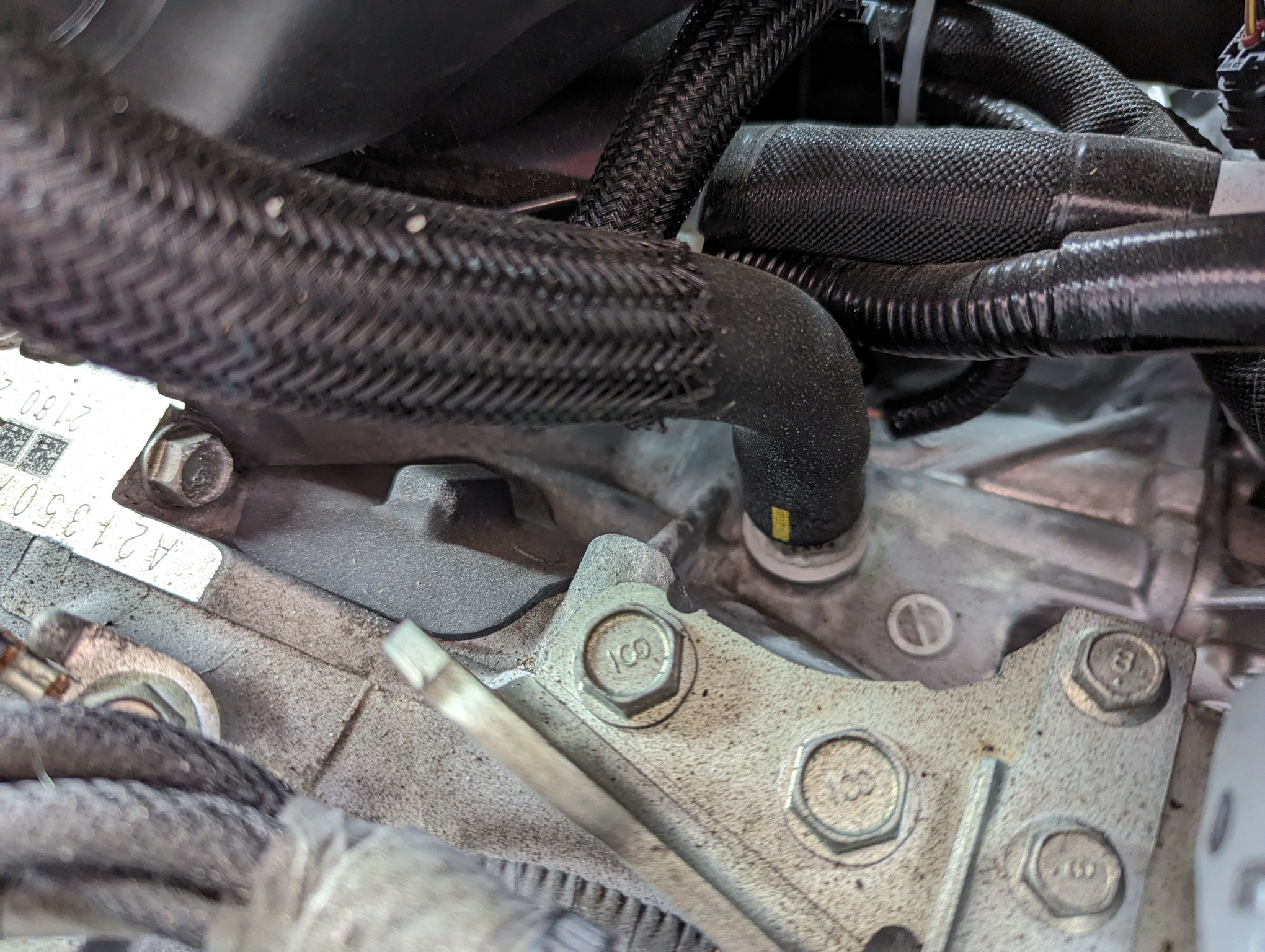
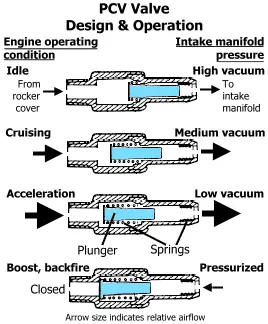
The valve itself is not particularly complex and operates similarly to a check valve, there is a spring and ‘plug’ within the valve body, this picture gives a good idea of how it works.
If the PCV system does not operate correctly you will build excessive crankcase pressure and increase blowby, which not only is unhealthy for the oil as it increases contamination from fuel and moisturise, it can cause oil leaks and consumption of this diluted mix as it burns off, or is pushed past the piston rings. When this is the case, oil consumption can go through the roof, if you aren’t vigilant with checking the oil level and have traditionally trusted your engine not to use oil, there is a possibility of having an engine failure from oil starvation.
I wasn’t aware of this until last night, but Subaru PCVs have a bit of a reputation for failing, in some circles it seems to be recommended that they should be treated as a consumable and replaced periodically (some sources say every 30k), they are inexpensive (<£20) and are relatively easy to replace, it's a case of pulling off the rubber hose (not clamped) and unscrewing it off the block.
Not trying to cause hysteria with this as it’s not a prolific problem, but much like my other post on the taillight clearance, it’s one to keep an eye on. So with that in mind, make sure you check you oil regularly, if you find you are suddenly burning oil, check your PCV valve and add a replacement valve to your maintenance regime.
There have a been a few reported cases of sudden excessive oil consumption on the FA24, mainly from the US, (but also someone on this forum too, still undiagnosed). It turns out the culprit is likely to be this…
This being the PCV (Positive Crankcase Ventilation) valve. Its purpose is to ventilate excessive crankcase pressure back into the intake system. This valve is located on top of the engine block at the back of the intake manifold and plumbs from the block into the top of the intake tube.
The valve itself is not particularly complex and operates similarly to a check valve, there is a spring and ‘plug’ within the valve body, this picture gives a good idea of how it works.
If the PCV system does not operate correctly you will build excessive crankcase pressure and increase blowby, which not only is unhealthy for the oil as it increases contamination from fuel and moisturise, it can cause oil leaks and consumption of this diluted mix as it burns off, or is pushed past the piston rings. When this is the case, oil consumption can go through the roof, if you aren’t vigilant with checking the oil level and have traditionally trusted your engine not to use oil, there is a possibility of having an engine failure from oil starvation.
I wasn’t aware of this until last night, but Subaru PCVs have a bit of a reputation for failing, in some circles it seems to be recommended that they should be treated as a consumable and replaced periodically (some sources say every 30k), they are inexpensive (<£20) and are relatively easy to replace, it's a case of pulling off the rubber hose (not clamped) and unscrewing it off the block.
Not trying to cause hysteria with this as it’s not a prolific problem, but much like my other post on the taillight clearance, it’s one to keep an eye on. So with that in mind, make sure you check you oil regularly, if you find you are suddenly burning oil, check your PCV valve and add a replacement valve to your maintenance regime.


