
Michael Knight
Totally Hooked
Stock spec in. This is how they looked after 35tkm
left / passanger side

center
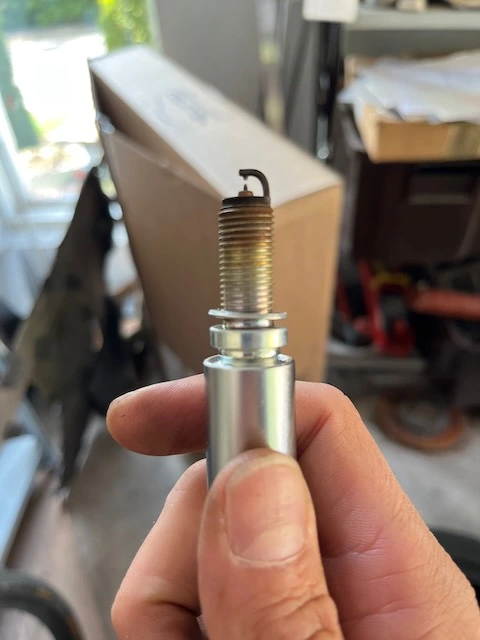
right / driver's side
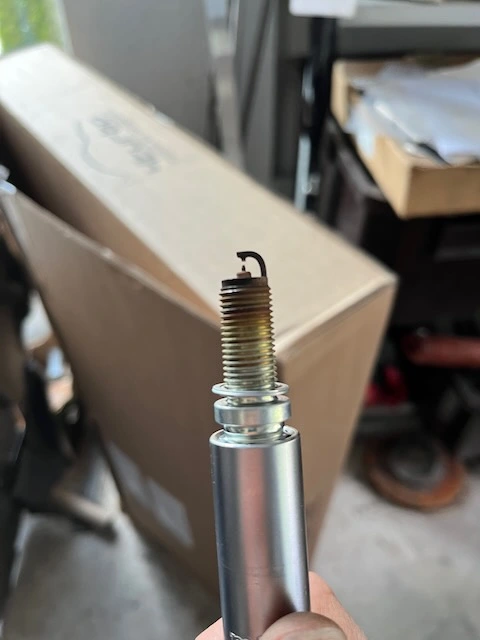
left / passanger side
center
right / driver's side
Follow along with the video below to see how to install our site as a web app on your home screen.
Note: This feature may not be available in some browsers.
Could be. Maybe need to get a gap measurement device to check where they are.They look ‘gappy’. Just by eye they look like they need a change.
Thanks need to measure those. At least theyre less than 1mmfactory gap is 0.7mm

Could be just placebo but feel that engine runs now smoother. So maybe not a bad idea to replace after 40tkm, depends of course on the application.


Recently replaced mine at 50.000 km (around 2.000 on track) and the difference was night and day especially in low end torque.Could be just placebo but feel that engine runs now smoother. So maybe not a bad idea to replace after 40tkm, depends of course on the application.

can now cruise at 2k RPM and even gently accelerate, vs 2.5-3k RPM before the change.
it was more, even 160tkm?I did mine today at just under 50k KMs. Around town driveability has improved a lot. I also felt that 3k was the normal happy place the engine wants to be at but enjoyed more relaxed driving today.
I wonder why Toyota expect 100k KMs from these plugs?

interesting comment. wonder what has been the logic in engine design - would think they have considered what plug design works best for the engine.I have been running NGK Ruthenium LKAR8BHX which has a PSPE electrode.
These have a different electrode design verse the OEM plug. The OEM plug has a DFE electrode.
The thing is NGK recommend the PSPE electrode design for turbo charged engines.
The electrode design of the OEM, NGK recommend for NA engines.
View attachment 26308View attachment 26309


