
JGR86
Fascinated Member
- Aug 5, 2026
- 3
- 37
Hi All, after a long time lurking, I decided to make an account as I finally have a build thread worth starting.
I purchased the car, crashed, mid-last year and have so far repaired it and started building it into a track/clubsport car. First post will cover the rebuild and repair, which was completed in February this year, and some subsequent posts will follow shortly, to bring the build up-to-date.
Background
This GR86 started life as a track day fleet car, used for teaching performance driving alongside a couple of GR Yarises, a BMW M140i, a few Swift Sports, a 718 Boxster T, and a 718 Cayman GT4. Despite the FA24's reputation for oil starvation issues, this was the most reliable car in the fleet by a wide margin, and also did more laps than anything else, simply because it was the most fun to drive.
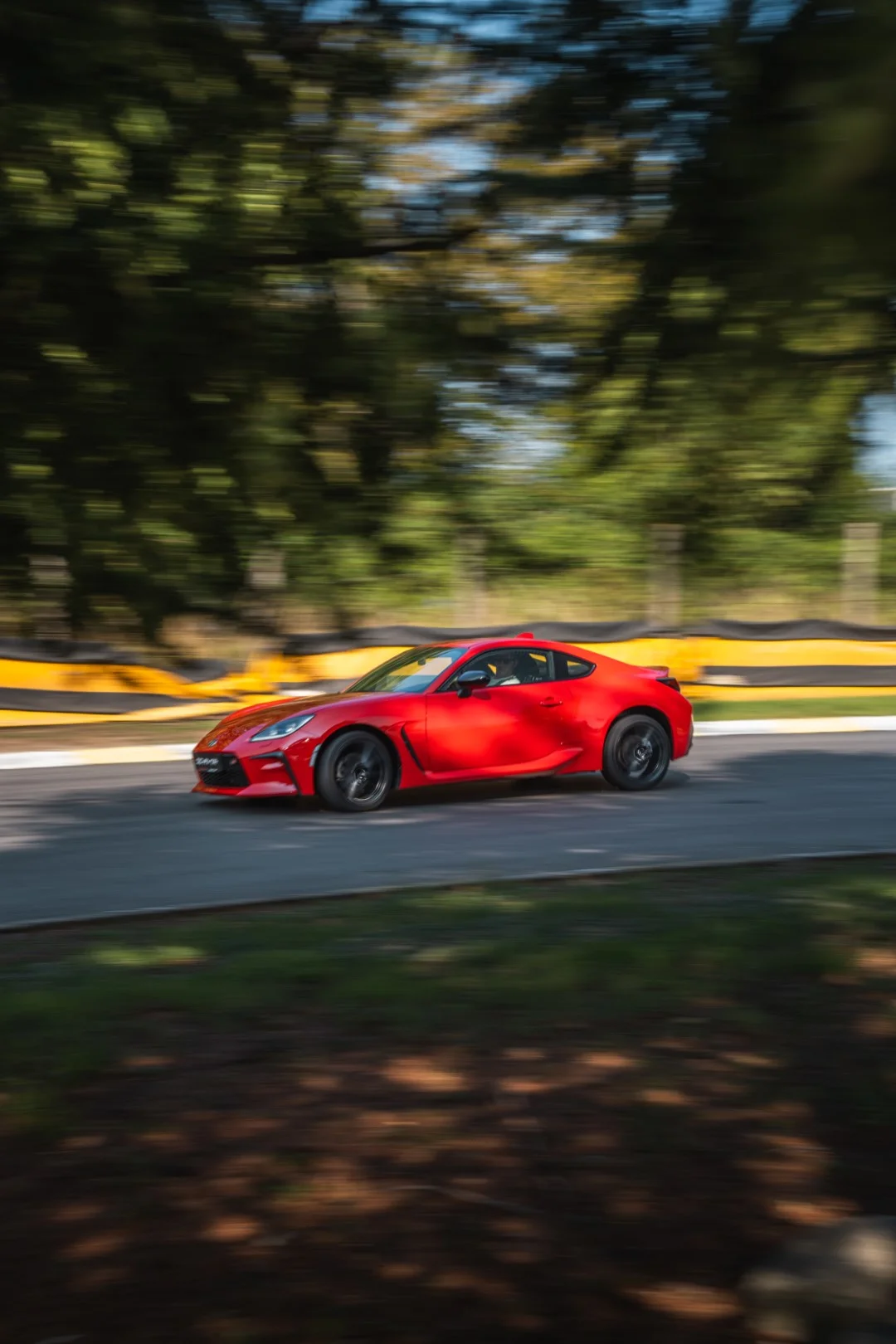
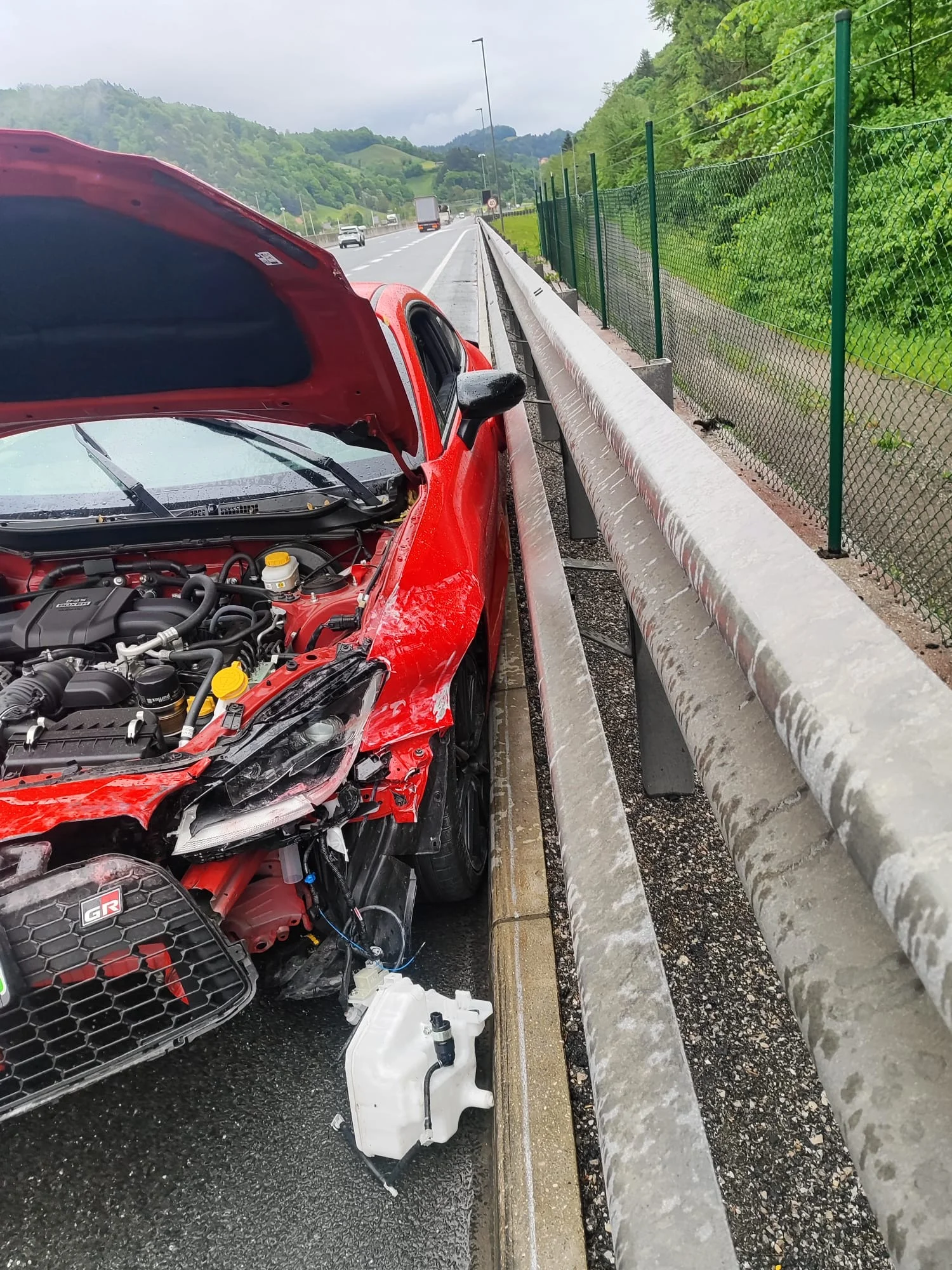
After surviving a lot of hard driving with zero mechanical issues, its near-death came from an unfortunate incident on a wet highway.
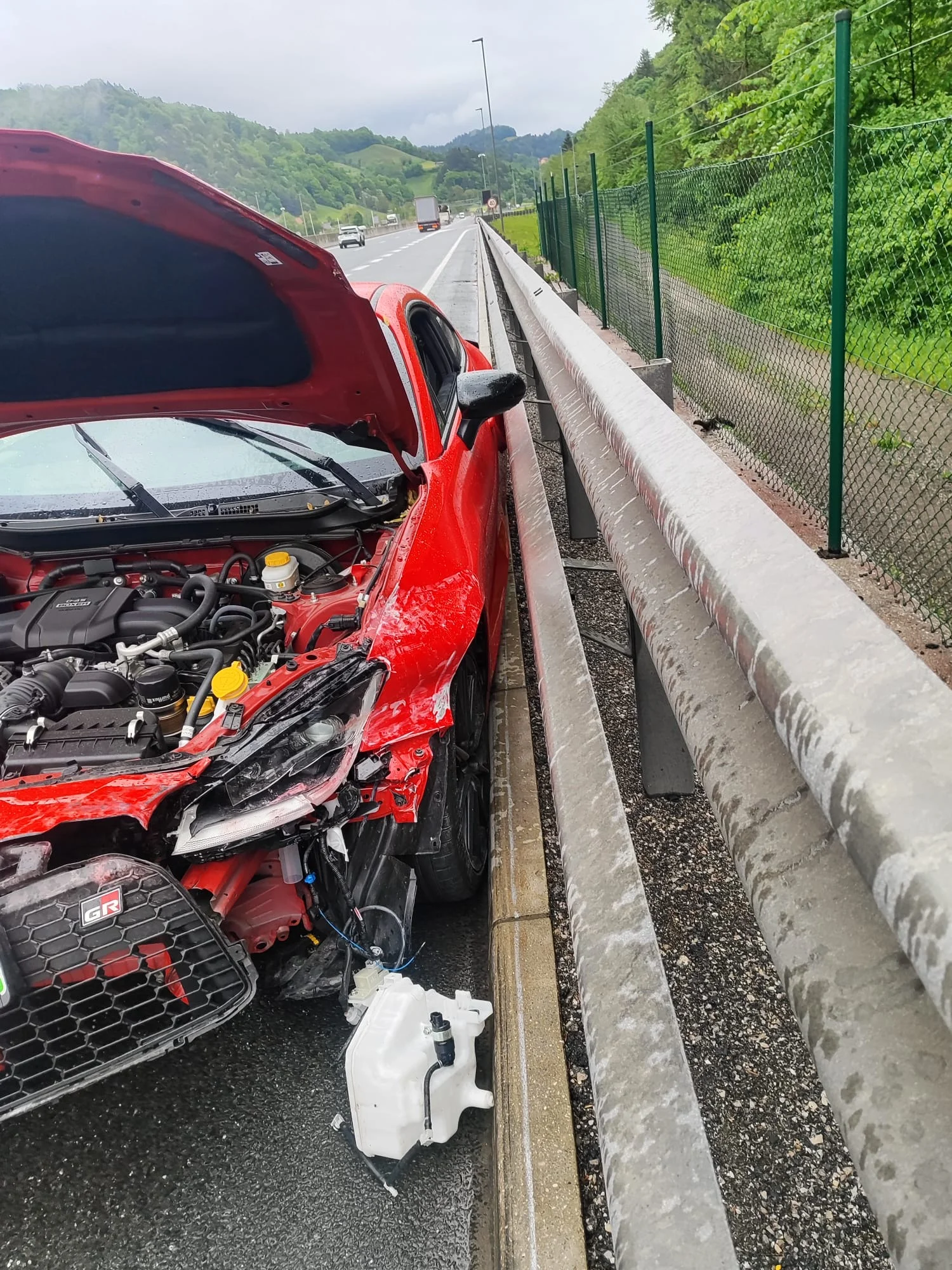
The damage looked worse than it was. Chassis structure and all major mechanical components were untouched and the car had mostly cosmetic/body damage, and by pure luck the impact didn’t trigger the airbags (the metal twisted around the sensor). But between the repair cost and Toyota’s Porsche-like parts pricing, the insurance wrote it off as a total economic loss.
The Rebuild
This is where my story with the car begins. I picked the car up in running but damaged condition and spent the next several months sourcing parts before starting repairs. One useful thing to know if you're ever in this position (at least in Slovenia): Subaru parts for the BRZ/GR86 platform are drastically cheaper than Toyota branded equivalents. For example, the front fender is roughly 6x the price from Toyota vs. Subaru (~1500 EUR vs ~250 EUR). As Subaru pricing was quite favourable even compared to the used market, I sourced all parts, shared between the chassis directly from the official dealer and found the rest through parts-out listings across the EU. Once everything was gathered, the car was towed to the body shop for its makeover.
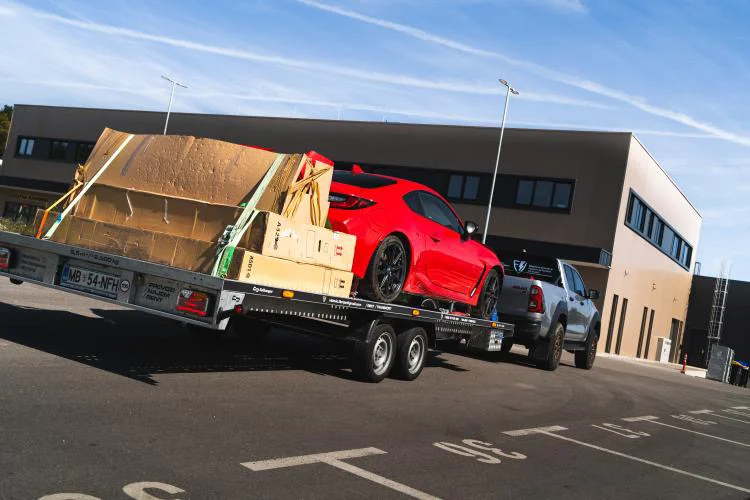
[PHOTO: Zunx_media]
Repair work included full panel replacement and repair, as well as some oem part replacement, which got damaged in the crash (front and rear headlight and taillight, AC and engine radiators, windshield washer fluid reservoir, etc.). Additionally, since a lot of the suspension components needed replacing anyway, I used the opportunity to upgrade the suspension with some Pedders top mounts, 14mm camber bolts, SPC rear lower control arms and SPC rear toe arms. The car also received a new set of Michelin PS5 tires in 215/40/18 for daily and weekend duties.
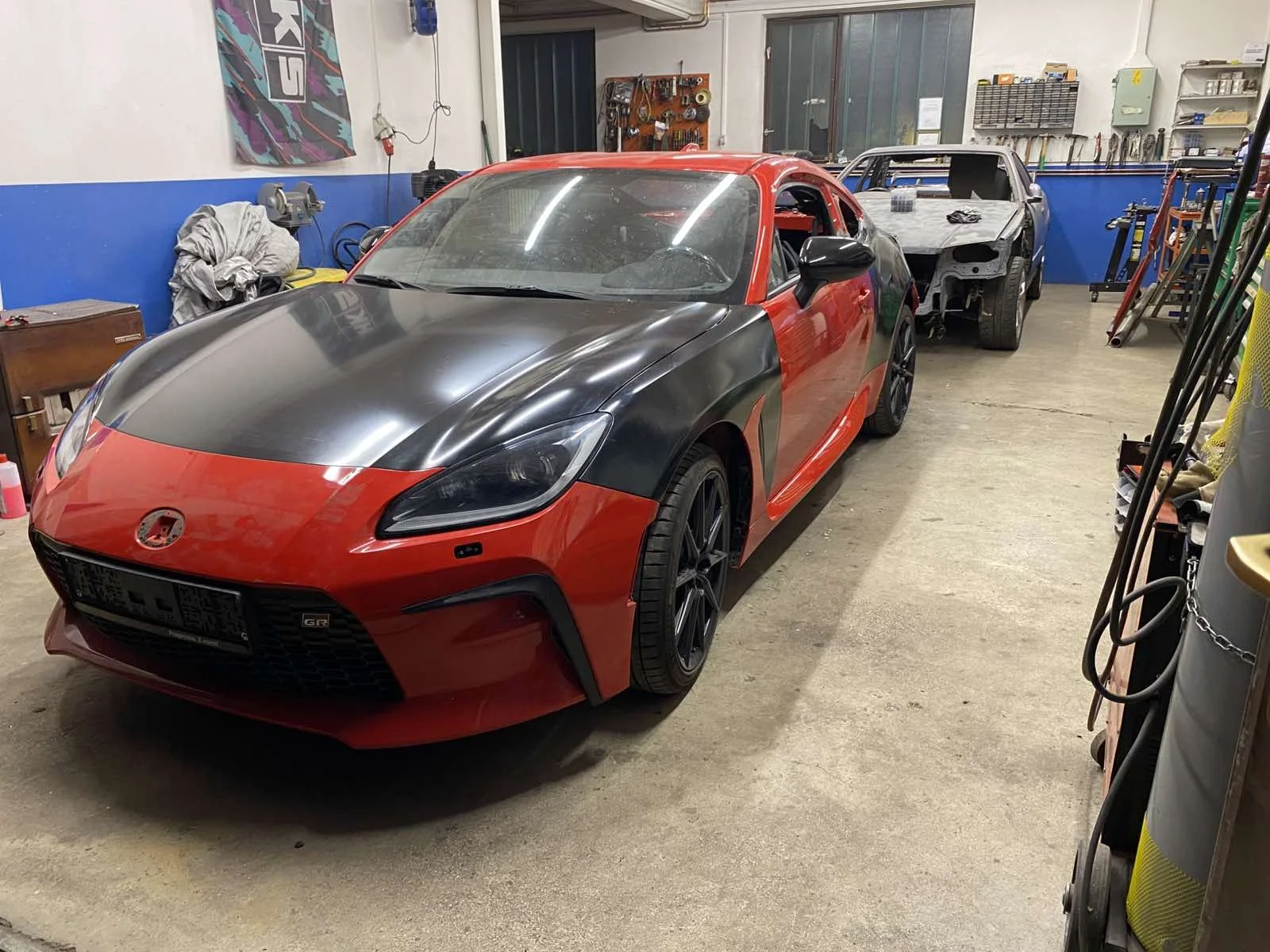
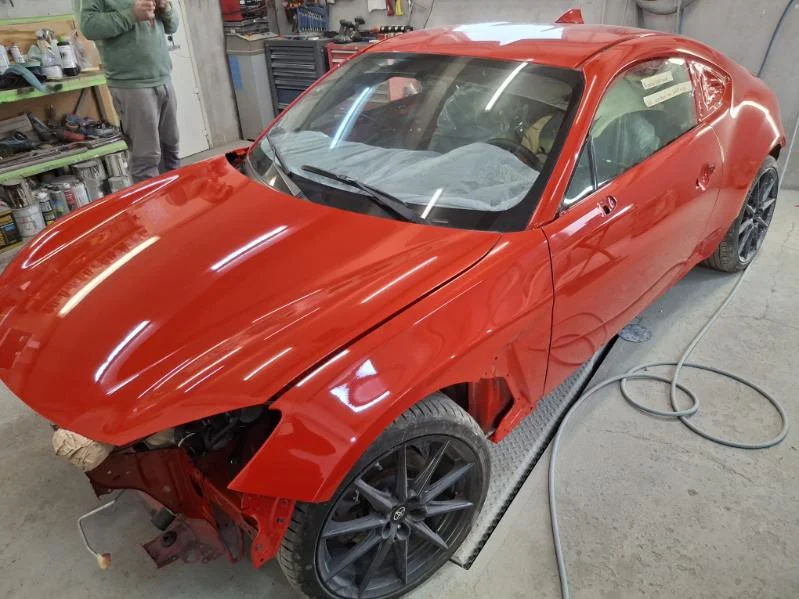
When the repair process was finished and the whole car was painted, it was time for a quick alignment, so the car drove straight (a more serious, track-focused alignment would follow shortly). And there it was! A rebuilt car in perfect working condition, ready to receive its first (well, besides the “while we’re in there suspension components” ) mods. But first, lets see how it behaves in the current, stock-ish form on track!
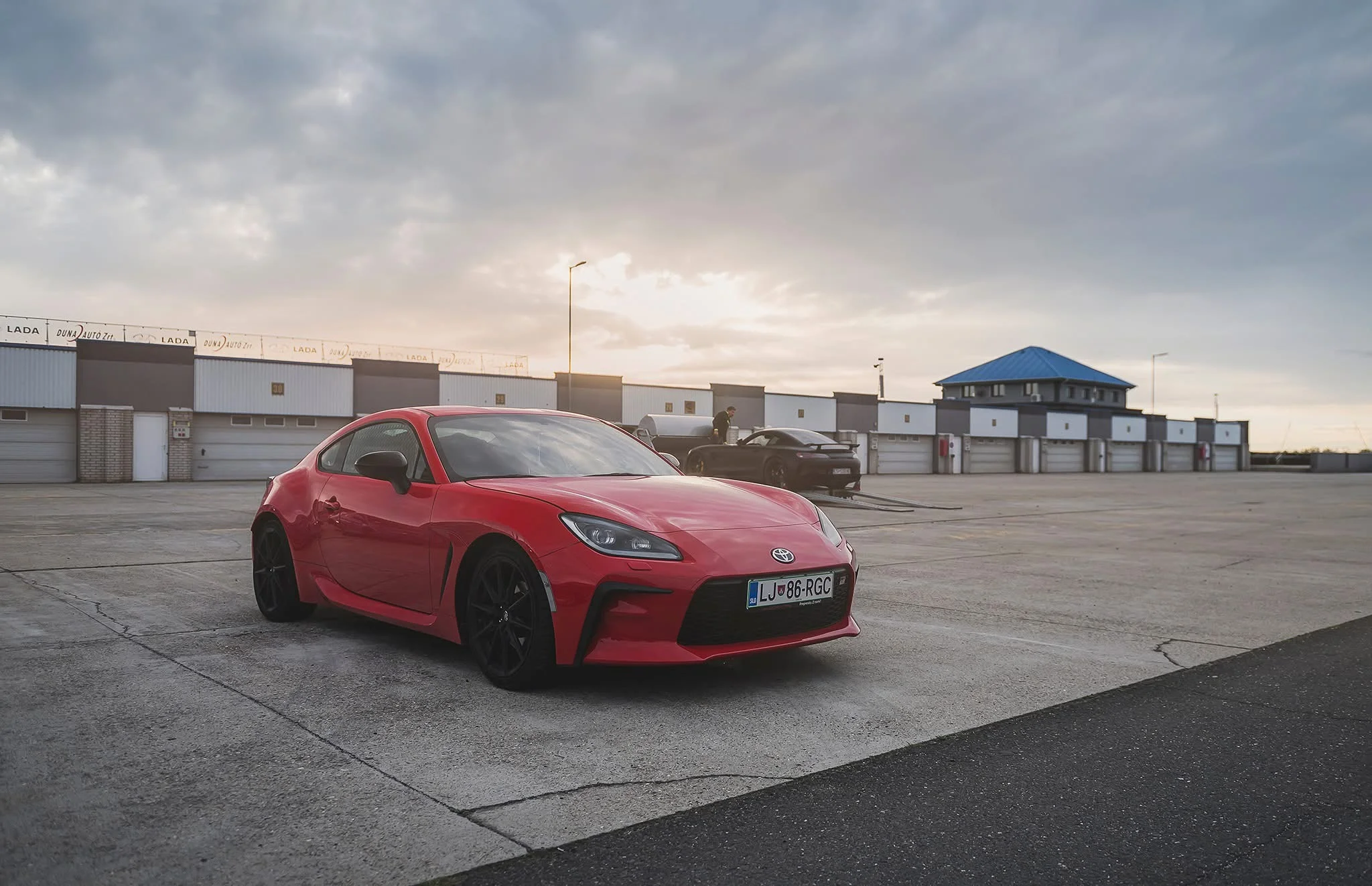
[PHOTO: tkusarphotography]
Will keep this thread updated as mods and trackdays go on. Questions are welcome
Current Build
(Will be updated as the build progresses)
Chassis / Suspension
I purchased the car, crashed, mid-last year and have so far repaired it and started building it into a track/clubsport car. First post will cover the rebuild and repair, which was completed in February this year, and some subsequent posts will follow shortly, to bring the build up-to-date.
Background
This GR86 started life as a track day fleet car, used for teaching performance driving alongside a couple of GR Yarises, a BMW M140i, a few Swift Sports, a 718 Boxster T, and a 718 Cayman GT4. Despite the FA24's reputation for oil starvation issues, this was the most reliable car in the fleet by a wide margin, and also did more laps than anything else, simply because it was the most fun to drive.
After surviving a lot of hard driving with zero mechanical issues, its near-death came from an unfortunate incident on a wet highway.
The damage looked worse than it was. Chassis structure and all major mechanical components were untouched and the car had mostly cosmetic/body damage, and by pure luck the impact didn’t trigger the airbags (the metal twisted around the sensor). But between the repair cost and Toyota’s Porsche-like parts pricing, the insurance wrote it off as a total economic loss.
The Rebuild
This is where my story with the car begins. I picked the car up in running but damaged condition and spent the next several months sourcing parts before starting repairs. One useful thing to know if you're ever in this position (at least in Slovenia): Subaru parts for the BRZ/GR86 platform are drastically cheaper than Toyota branded equivalents. For example, the front fender is roughly 6x the price from Toyota vs. Subaru (~1500 EUR vs ~250 EUR). As Subaru pricing was quite favourable even compared to the used market, I sourced all parts, shared between the chassis directly from the official dealer and found the rest through parts-out listings across the EU. Once everything was gathered, the car was towed to the body shop for its makeover.
[PHOTO: Zunx_media]
Repair work included full panel replacement and repair, as well as some oem part replacement, which got damaged in the crash (front and rear headlight and taillight, AC and engine radiators, windshield washer fluid reservoir, etc.). Additionally, since a lot of the suspension components needed replacing anyway, I used the opportunity to upgrade the suspension with some Pedders top mounts, 14mm camber bolts, SPC rear lower control arms and SPC rear toe arms. The car also received a new set of Michelin PS5 tires in 215/40/18 for daily and weekend duties.
When the repair process was finished and the whole car was painted, it was time for a quick alignment, so the car drove straight (a more serious, track-focused alignment would follow shortly). And there it was! A rebuilt car in perfect working condition, ready to receive its first (well, besides the “while we’re in there suspension components”
) mods. But first, lets see how it behaves in the current, stock-ish form on track![PHOTO: tkusarphotography]
Will keep this thread updated as mods and trackdays go on. Questions are welcome
Current Build
(Will be updated as the build progresses)
Chassis / Suspension
- Pedders front strut mounts
- 14mm front camber bolts
- SPC rear lower control arms
- SPC rear toe arms
- Stock
- Stock
- Stock
- Stock 18” rims with 215/40/18 Michelin PS5
- Stock


